Searching Mercer Island but not sure which neighborhood or home style fits you best? With its long, narrow shape, strong single-family feel, and a growing light-rail connection, the island offers distinct pockets that live very differently. You want clarity on where ramblers cluster, where view homes rise, and how zoning and slopes affect what you can do with a lot. This guide breaks down the island’s key areas, common house types, build considerations, and commute tradeoffs so you can focus your search with confidence. Let’s dive in.
Mercer Island at a glance
Mercer Island is its own city with a residential focus and a compact Town Center at the north end. The City highlights about 475 acres of parks and open space that shape neighborhood character and development patterns around ravines, forests, and shorelines. You will feel that green space throughout daily life, from trail access to how homes sit on lots. For rail access and transfer options, the island’s station sits in the I‑90 corridor with entrances near 77th Ave SE and 80th Ave SE, and Sound Transit notes a quick trip of about 10 minutes to Bellevue Downtown once service is fully connected across the lake.
- Reference: see the City’s community page for parks and open space, and Sound Transit’s Mercer Island Station page for station details and travel times.
Neighborhood pockets and what to expect
North End and Town Center
- Location and access: You are closest to the island’s retail core, park-and-ride, and I‑90 ramps. It is the most transit-oriented part of Mercer Island, with the light-rail headhouses a short walk from many streets near the core.
- Lot and home profile: Expect smaller parcels near the center, a mix of condos and townhomes in the core, and nearby single-family streets with mid-century homes and ramblers. Infill and replacement builds are common as older stock turns over.
- Why buyers choose it: Walkable errands, short transfers to light rail, and easier access to services compared with steeper mid-island streets. Check Sound Transit’s station details to weigh commute options.
Mid‑Island (Madrona Crest, Parkwood, Mercer Firs, Mercerwood corridor)
- Location and parks: A central position gives you quick access to Island Crest Park, Pioneer Park’s trail network, and Town Center services. Island Crest Way is the main north-south spine for getting around.
- Lot and topography: Many lots were platted in the postwar decades. Most are level to moderately sloped, with some edges near Pioneer Park and ravines. That mix allows additions or full replacements in many areas, but site slope and buffers can limit buildable area. Local write-ups for Madrona Crest help illustrate common patterns you will see across adjacent pockets like Parkwood and Mercer Firs.
- Housing character: This is the broadest mix on the island, from single-story ramblers and mid-century moderns to larger contemporary replacements. If you want options and variety, start here.
West Side and “Gold Coast” (West Mercer Way waterfronts and ridgelines)
- Location and views: The west side holds many of the lakefront estates and sunset views toward Seattle and Mount Rainier. Parcels range from high-bank slopes to low-bank, more accessible shorelines.
- Lot and topography: Waterfront lots vary widely. High-bank properties often include forested slopes and stairs to the water. Low-bank lots offer gentler access with different permitting paths for shoreline structures. See regional shoreline master program definitions for how regulators describe low-bank vs high-bank conditions.
- Housing character: Expect a mix of historic waterfront homes, mid-century beach-style ramblers, and large custom contemporary estates.
South End (Mercer Island Estates and Island Point)
- Location and street feel: The south end includes planned subdivisions such as Mercer Island Estates, built mainly in the 1960s and 1970s, with a calmer, cul-de-sac pattern and often flatter internal streets. Island Point sits above southern shorelines with a quieter residential vibe.
- Lot and home profile: Single-story ramblers and ranches remain common, along with mid-century and Northwest Contemporary homes. Many originals have been renovated, and some have been replaced by two-story contemporary builds.
- Why buyers choose it: Single-level living, established streets, and a more traditional suburban pattern.
Home styles you’ll see
Rambler (single‑story ranch)
- What it is: Single-level living, often from the postwar era, with practical layouts and easier day-to-day access. Many sit on medium-size lots and have room for sensible additions.
- What to weigh: If you need more bedrooms, you may need to expand the footprint, which triggers zoning, setback, and impervious-surface rules. The City’s zoning summary outlines these limits.
Mid‑century modern and Northwest Contemporary
- What it is: Low-pitched roofs, large windows, and a strong indoor-outdoor connection. These homes are common across the island and can be renovated beautifully or replaced when systems and layouts no longer fit.
- What to weigh: Many mid-century homes have excellent siting and light, but can need envelope and mechanical upgrades. For inspiration, see a local Mercer Island mid-century renovation feature.
Contemporary and new construction
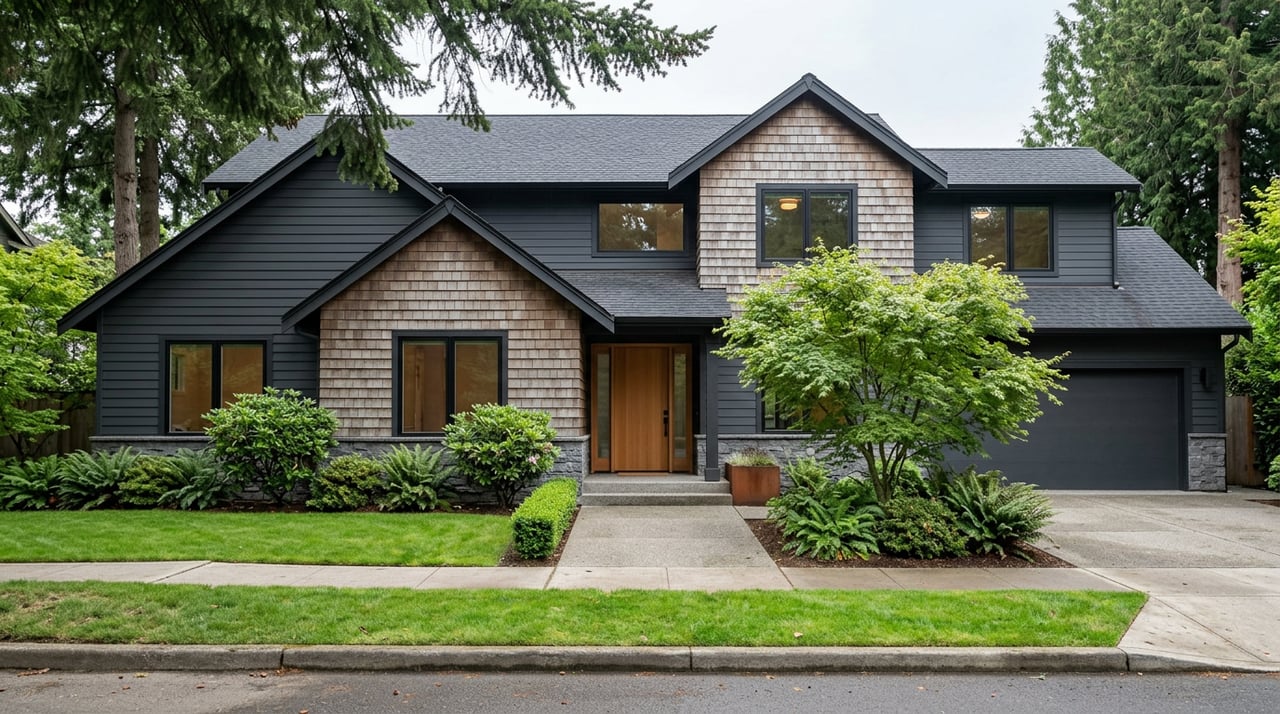
- What it is: Larger, multi-level homes with open plans, big windows, and modern materials. Replacement builds are frequent on mid-island ridgelines and larger or view lots.
- What to weigh: New builds maximize space and views, but add permitting, design, and landscaping costs. Neighbor input and design processes may apply in some zones, so plan timelines accordingly per the City’s zoning guidance.
Lots, slopes, shoreline, and zoning
- Zoning and lot size: Mercer Island’s single-family zones include R‑8.4, R‑9.6, R‑12, and R‑15. Each zone sets minimum lot sizes, setbacks, floor area limits, and height rules. Review the City’s zoning page before you budget for additions or a new build.
- Slope and impervious coverage: The steeper the lot, the lower the allowable hardscape. That affects driveways, patios, and additions. A civil engineer can help you confirm which slope band applies. See the same zoning summary for slope and coverage references.
- Critical areas and tree canopy: Lots near protected open space can include ravines, wetlands, and buffers that limit clearing and building. Pioneer Park’s network of trails and ravines is a good example of terrain that shapes nearby parcels. Explore Pioneer Park to understand this landscape.
- Shoreline considerations: Low-bank vs high-bank shorelines change beach access and bulkhead and dock permitting paths. For technical context, review regional shoreline master program definitions that explain these classifications.
Commute and access
- Driving and transfers today: I‑90 is the island’s main corridor to Seattle or Bellevue. Morning and evening flows concentrate near the Town Center and ramps. The rail station in the I‑90 median will continue to shift commute choices toward quick rail transfers for many riders. See Sound Transit’s station page for location and trip details.
- Near-term changes: The City tracks mitigation projects and network adjustments around the Town Center and park-and-ride as regional transit service phases in. For updates, follow the City’s Transit Interchange page.
How to narrow your Mercer Island search
Use these decision points to focus quickly:
Shoreline vs inland
- Waterfront or broad lake views high on your list? Concentrate on west-side waterfronts and nearby ridgelines, and plan for shoreline permitting and premium pricing. If everyday yard space and buildability are priorities, mid-island neighborhoods often deliver larger usable lots.
Single-level vs multi-level living
- Prefer one-floor living? Target south-end subdivisions and mid-island streets with ramblers. Want modern space with big windows and a bonus level? Aim for newer infill and replacement homes across mid-island and select waterfront lots.
Lot size and build potential
- Confirm your lot’s zone, setbacks, and floor-area rules early. If you are serious about a parcel, check historic permits, slopes, and exact area in the King County parcel viewer, then validate regulations on the City’s zoning map and Title 19 summary.
Keep or replace mid-century character
- If original beams and glass walls appeal, focus on mid-century clusters across the south end and central neighborhoods. If you want turnkey contemporary, weigh recent infill or full replacements in mid-island pockets and along view corridors.
Commute profile
- If you will use rail often, consider proximity to the Town Center station entrances and bus-to-rail routing. If you split trips between Seattle and the Eastside, locations with quick I‑90 access can reduce day-to-day friction.
Buying strategies that work here
- Start with your non-negotiables: shoreline access, lot usability, and floor count.
- Map your commute early: drive the route and time a transfer to rail so you know what peak hours feel like.
- Walk the lot: look for slope, drainage, tree cover, and nearby ravines that can affect buildability and yard use.
- Budget for site work: steep slopes and hardscape limits can shift dollars from interiors to civil and landscaping.
- Decide renovate vs rebuild: tour a few updated mid-century homes and a couple of newer builds to calibrate cost, light, and layout. A local renovation case study like this Mercer Island mid-century refresh can help frame possibilities.
When you are ready to tour homes or vet a lot, connect with a local advisor who can pair neighborhood context with zoning and site realities. If you plan to hold a property as a rental before selling, our team can also advise on leasing and management to support your long-term plan. To talk through your goals, reach out to Sound Real Estate Services.
FAQs
What are the main Mercer Island neighborhoods and how do they differ?
- The north end and Town Center offer the most transit access and denser housing near shops, mid-island pockets offer the widest mix of ramblers, mid-century, and new builds near parks, the west side concentrates waterfront and view estates, and the south end features planned subdivisions with many single-level homes.
How do Mercer Island zoning rules affect additions or new builds?
- Zoning sets minimum lot sizes, setbacks, floor-area limits, height rules, and how much hardscape you can add, so check the City’s zoning page early to confirm what is feasible on a specific parcel.
What should I know about slopes and impervious-surface limits?
- Steeper lots allow less hardscape, which can affect driveways, patios, and additions; a civil engineer can confirm your slope band, and the City’s zoning summary outlines the regulations to review.
How do waterfront lots vary on Mercer Island?
- Waterfront parcels range from high-bank to low-bank, which changes beach access and permitting paths for bulkheads and docks; see regional shoreline definitions for how these classes are described in permitting.
Where can I verify lot details like area, slope, and permit history?
- Use the King County parcel viewer for parcel data and then confirm regulations through the City’s zoning resources before planning a project.
How will light rail change my commute from Mercer Island?
- The island’s rail station sits in the I‑90 corridor with short transfers to trains and quick service to Bellevue Downtown; watch Sound Transit’s project page and the City’s Transit Interchange updates for opening phases and local traffic changes.