Got the offer and a start date in Redmond? Now you need a practical plan for where to live, how to commute, and when to buy or rent. Moving into the Eastside market can feel intense, especially if you are juggling onboarding and hybrid schedules. In this guide, you will learn how Redmond’s neighborhoods line up with tech jobs, what to expect from prices and rents, and a smart timeline that lowers stress and risk. Let’s dive in.
Why Redmond works for tech pros
Redmond sits at the center of the Eastside tech corridor and is anchored by Microsoft’s multi-building headquarters on a campus that spans roughly 500 acres. That footprint draws talent and supports nearby services, transit, and housing that fit hybrid work. If you plan to be on site often, living near Overlake or Downtown Redmond can cut your first and last mile time. The combination of frequent buses and new light-rail segments gives you more flexibility than in past years.
Home prices on the Eastside are high by national standards. Typical Redmond home values are commonly in the low to mid seven figures, and city rents often land in the low $2,000s per month. Nearby Bellevue and Kirkland can be equal or higher in price, so many newcomers target Redmond for its mix of access, transit, and neighborhood variety.
Housing snapshot and what to expect
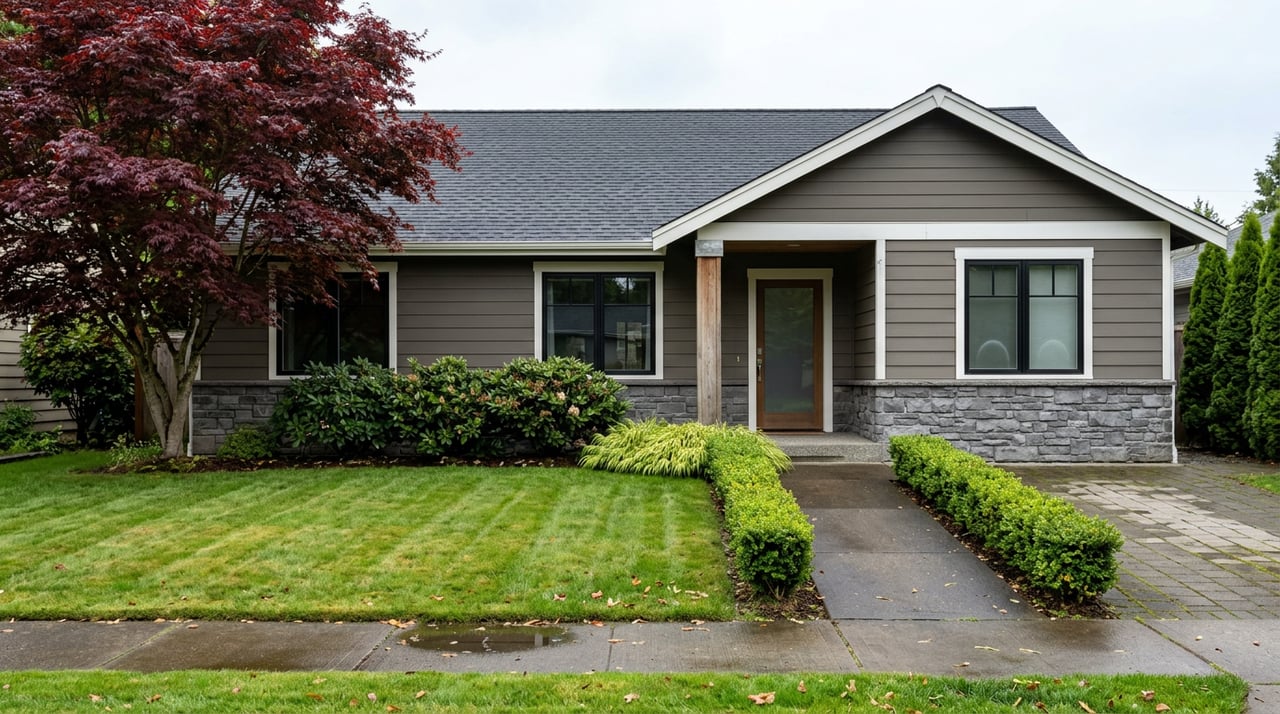
Redmond’s housing stock is a blend of two denser urban centers and several single-family neighborhoods. Downtown Redmond and Overlake concentrate most of the multifamily options, including modern apartments and condos that work well for a rent-first approach. Surrounding areas offer more single-family homes, often with larger lots and quieter streets.
Competition varies by micro-area and price point. Well-presented, well-located homes near transit or major job centers tend to draw early interest. If you want to minimize commute time, expect to pay a premium for properties close to Overlake, Redmond Technology Station, or Downtown Redmond.
Neighborhoods at a glance
City planners identify two urban centers where most new housing growth is focused. That framework helps you narrow choices based on your day-to-day needs.
Downtown Redmond
You will find a walkable core with restaurants, cafés, and access to trails and Marymoor Park. Mid-rise apartments and condos dominate, and transit connections are strong. If you prefer to run errands on foot and want easy rail and bus access, put Downtown on your shortlist.
Overlake and Redmond Technology area
This area places you close to Microsoft and other Eastside employers, with many newer apartment communities and condos. Light rail and frequent bus routes improve commute reliability, especially on hybrid schedules. Choose Overlake if proximity to campus matters more than having a standalone yard.
Education Hill, Grass Lawn, Willows or Rose Hill, North Redmond
These neighborhoods are largely single-family areas with local parks and a calmer residential feel. Drive times vary by exact location, and most daily errands will be a short drive rather than a short walk. If you value more space and a traditional neighborhood setting, start your search here.
Marymoor Park corridor and SE Redmond
Living near Marymoor Park puts trails, events, and bike routes at your doorstep. It suits an active lifestyle with straightforward connections into Overlake and Downtown. Expect a mix of housing types and quick access to outdoor amenities.
Commute and transit: choose your access
Light rail and where it matters
Sound Transit has opened Eastside Link segments and extended service into Redmond, which improves connections between Redmond, Bellevue, and the broader Link network. Service at Redmond Technology Station gives tech workers a reliable, car-light option for on-site days and cross‑Eastside trips. Transit adjacency now plays a bigger role in home search decisions than before.
RapidRide, buses, and shuttles
King County Metro’s RapidRide B Line and other Eastside routes provide frequent service between Bellevue and Redmond. These routes help bridge first and last mile gaps, especially if you live just outside the light-rail catchment. Many employers also operate shuttles that link buildings and transit nodes, reducing the need for a car during the workweek.
Typical commute times
Census summaries show Redmond’s average commute time near the national average, around the mid‑20‑minute range, with driving as the most common mode. Remote and hybrid work are more common here than in many suburbs, which is another reason a rent-first plan can make sense. Once your on-site rhythm is clear, you can buy with confidence in a neighborhood that fits your schedule.
Rent first or buy now?
Many tech hires use a two-step approach that starts with a short-term furnished rental or corporate housing for 1 to 6 months. This lets you learn neighborhoods, confirm your on-site days, and watch inventory before making a long-term decision. Shorter leases and furnished options generally cost more per month, but the flexibility often outweighs the premium.
If you are ready to buy, plan on a clear financing path. From an accepted offer to closing, mortgage-financed purchases commonly take about 30 to 45 days. Add pre-approval, touring, and negotiation, and a prepared timeline from first conversation to keys is often 2 to 3 months.
Budgeting for the Eastside
- Purchase price and down payment. Typical Redmond values sit in the low to mid seven figures, so set a realistic ceiling before touring.
- Monthly payment. Model principal, interest, taxes, and insurance, plus HOA dues for condos and some single-family communities.
- Rent range. Expect citywide rents in the low $2,000s per month, with higher prices near Downtown, Overlake, and light-rail.
- Transportation. Factor in parking, transit passes, rideshares, and bike storage if relevant to your commute.
- Move-in costs. Budget for deposits, utility start-up, and basic furnishings if you rent first.
Step-by-step relocation plan
- Confirm your relocation package. Ask HR about lump-sum vs. reimbursement, temporary housing allowances, and transit benefits.
- Map your on-site schedule. More required office days increase the value of living near Overlake, Downtown, or a frequent bus corridor.
- Shortlist neighborhoods. Use the city’s planning lens to compare urban centers to single-family areas based on your lifestyle.
- Verify transit access. Check walking distance to light-rail and RapidRide stops and note first and last mile options.
- If schools matter to you. Review district boundaries and enrollment steps before committing to a lease or purchase.
- Set up an MLS search. Use a custom search with filters for price, transit access, and housing type so you are tracking the right homes.
- Get pre-approved. Line up financing before touring so you can act quickly when the right home appears.
How Sound Real Estate Services can help
You deserve a calm, expert process backed by local knowledge. Our boutique team focuses on Seattle and the Eastside, including Redmond, Bellevue, Kirkland, and nearby suburbs. We help you compare neighborhoods through the lens of commute, transit, and housing type, then structure a search that fits your hybrid schedule.
When you are ready to buy, we provide clear pricing guidance, negotiation strategy, and a step-by-step plan from pre-approval to closing. If you are also an owner-investor or plan to convert a home to a rental in the future, our integrated property-management team can lease and manage the asset for seamless stewardship. Ready to chart your move with a trusted local partner? Connect with Sound Real Estate Services.
FAQs
Redmond relocation: how close should I live to Microsoft?
- If you are on site several days per week, consider Overlake or areas near Redmond Technology Station to reduce first and last mile time.
Redmond neighborhoods: where are most apartments and condos?
- Downtown Redmond and Overlake concentrate multifamily housing, which suits rent-first timelines and transit access.
Redmond commute: is light rail useful for hybrid work?
- Yes, new Eastside Link service and stations in Redmond improve reliability for cross‑Eastside trips and reduce parking needs on in-office days.
Redmond housing costs: what should I budget upfront to buy?
- Plan for down payment, closing costs, inspection and appraisal fees, and several months of reserves in addition to your modeled monthly payment.
Rent vs. buy in Redmond: what is a common timeline?
- Many hires rent for 1 to 6 months to learn neighborhoods, then buy; a prepared purchase commonly takes 2 to 3 months from pre-approval to closing.
Schools in Redmond: how do I check boundaries before I sign?
- Use the city’s demographics and district resources to review current school boundaries and enrollment steps for your address.