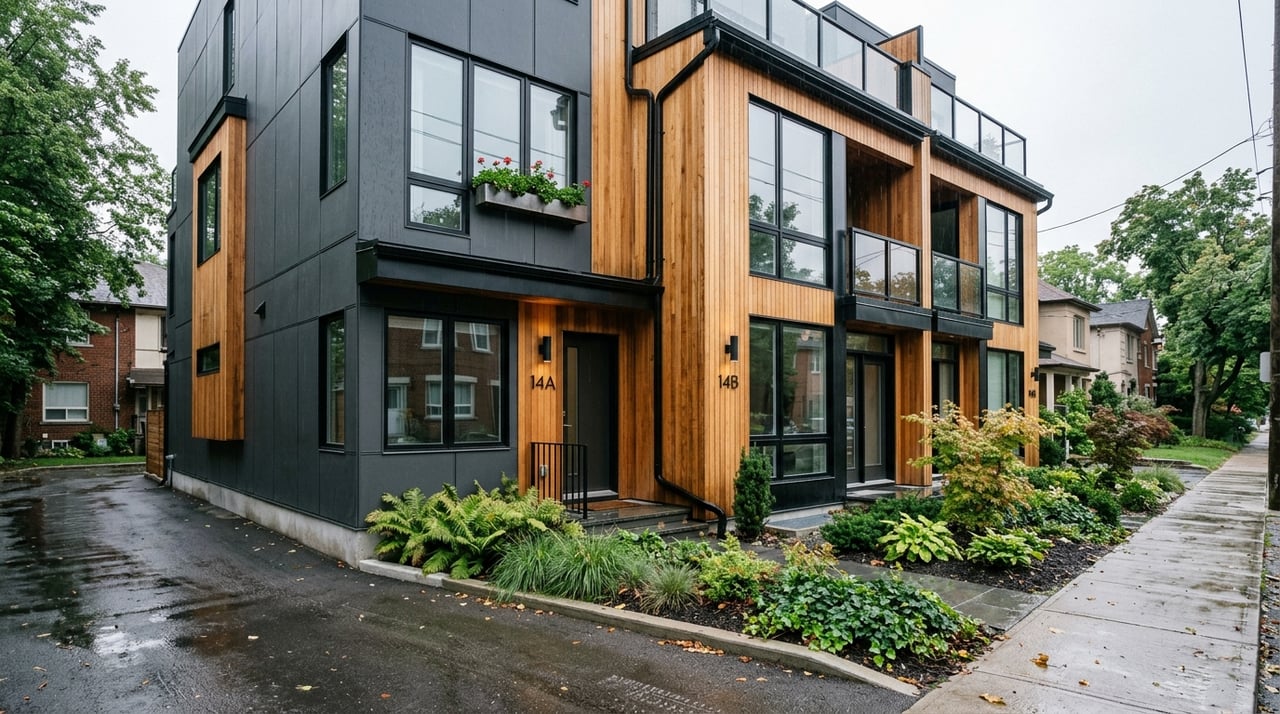
Buying a Seattle townhome can look simple on paper, but the details matter fast. One building may function like a condo, another may operate through an HOA, and two homes a few blocks apart can feel completely different in layout, parking, and resale appeal. If you want to buy with confidence, it helps to know what to review before you write an offer. Let’s dive in.
Understand the ownership structure
Not every Seattle townhome comes with the same legal setup. In Washington, townhomes may be organized as condominiums or as HOA communities, including zero-lot-line plat communities. That means the ownership documents, maintenance responsibilities, and disclosure package can vary from one property to the next.
This is one of the first things to clarify because the rules follow the property. Washington’s Office of Regulatory Innovation and Assistance notes that CC&Rs, bylaws, and policies operate as a private contract tied to the home. Before you fall in love with finishes or a rooftop deck, make sure you understand how the community is structured and what obligations come with it.
Why structure affects your day-to-day ownership
Your ownership structure influences more than paperwork. It can shape who handles exterior maintenance, how shared spaces are managed, and what monthly dues cover. It also affects the records you should review during due diligence.
Washington law adds another layer here. Common interest communities created on or after July 1, 2018 may be governed under WUCIOA, and the state has indicated that legacy condo and HOA statutes are set to be replaced for all common interest communities on January 1, 2028. For you as a buyer, that means the governing rules and disclosure requirements can depend on when the community was created.
Know what HOA dues usually cover
Many buyers choose a townhome because it can reduce some of the exterior and shared-property responsibilities that come with a detached house. In many Seattle communities, mandatory assessments help fund common areas, streets, lighting, sewers, garages, and administrative costs. In practical terms, you may be trading some private maintenance tasks for shared governance and recurring dues.
That trade can be worthwhile, but only if you know what you are paying for. Ask for a clear breakdown of current dues, what they cover, and whether there have been recent changes. A lower monthly number can look attractive until you learn that major costs may be pushed into future assessments.
Pay close attention to reserve studies
A reserve study is one of the most important financial documents in a townhome purchase. Washington notes that many associations conduct reserve studies and that these reports can show whether the association is funding long-term repairs in a normal way or may be more likely to rely on special assessments later.
Under Washington law, the reserve study must disclose key items such as reserve balance, funded percentage, special assessments, and projected balances. The study must be updated annually, with a professional visual-site update at least every third year unless the association is exempt. If you are comparing multiple Seattle townhomes, reserve strength can be a major differentiator.
Review the governing documents carefully
Seattle townhome communities often come with more rules than buyers expect. The declaration or CC&Rs, bylaws, rules, and policies commonly address architectural standards, landscaping, parking, noise, pets, rental limits, use of common areas, dues, and enforcement.
These documents matter because they shape how you can actually use the property. If you work from home, own multiple vehicles, want flexibility for future leasing, or simply value quiet and predictability, the fine print can affect your fit with the community as much as the home itself.
Key documents to request
Before buying, make sure you review:
- Declaration and CC&Rs
- Bylaws
- Community rules and policies
- Current budget
- Reserve study
- Resale certificate
- Recent association financial information
Washington requires an association to furnish a resale certificate within 10 days of request. That certificate must include the owner’s financial obligations, current finances, reserve study, and governing documents. Associations must also retain current budgets plus detailed receipts and expenditures for the prior seven years.
Think hard about the layout
Seattle’s Residential Code covers townhouses with no more than three stories and separate entrances, and the city has described typical townhouse development as about three stories tall and often around 1,000 to 1,400 square feet. In practice, that often means a more vertical layout than you would find in a detached house.
That vertical design works well for many buyers, especially in close-in neighborhoods where land is limited. Still, daily livability matters. Before you buy, picture how often you will use the stairs, where you will store larger items, and whether the floor plan supports your routine.
Layout questions worth asking
A quick walkthrough is not enough for a three-story home. Look beyond staging and ask yourself:
- Does the entry level feel practical for daily use?
- Is the kitchen on the same level as the main living space?
- Will carrying groceries up stairs be manageable?
- Is there enough storage for outdoor gear, luggage, and seasonal items?
- How much private outdoor space do you actually get?
- Could noise transfer be a concern based on the shared-wall design?
Seattle planning materials note common townhouse features such as garage-under-unit parking, small fenced yards, and decks. Those features can be a great fit, but they are rarely identical from one project to the next.
Parking can be a deal maker
Parking in Seattle is highly site-specific, and that matters more than many buyers realize. City rules vary by land-use zone, some urban-center or frequent-transit areas do not have minimum parking requirements, and code allows options like tandem parking in some multifamily structures and paired driveways for two attached dwelling units.
That means the phrase "parking included" does not always tell the full story. You will want to understand whether the parking is a garage, driveway, tandem setup, or mainly street-based. Usability matters just as much as whether a space exists at all.
Do not assume street parking will fill the gap
If a townhome relies partly on street parking, look closely at how realistic that is. Seattle’s transportation department states that a Residential Parking Zone permit does not guarantee a space. If reliable parking is important to your household, an off-street garage or driveway is typically the safer option.
This is especially important if you have more than one car, frequent guests, or a schedule that makes late-night parking searches frustrating. In many Seattle micro-neighborhoods, parking convenience can have an outsized effect on your daily experience and future resale.
Micro-neighborhood matters as much as the home
Seattle’s planning framework directs much of the city’s growth to urban centers and urban villages. The city also describes Seattle as a city of neighborhoods with distinct identities, and residential development capacity is concentrated in multifamily zoning types and designated growth areas.
For townhome buyers, that means location should be evaluated at the micro-neighborhood level. Two homes with similar square footage may perform very differently based on access to transit, groceries, restaurants, and other everyday destinations. In Seattle, convenience outside your front door often shapes value as much as what is inside.
Why access can influence price and resale
Seattle planning staff have noted that townhouses near groceries, restaurants, and other urban amenities tend to command a premium. The city’s housing work also found that new construction has been concentrated in already-dense areas with transit and amenities, while recent 2025 code changes were adopted to increase housing supply and diversify residential zones, including attached homes such as townhouses and rowhouses.
For you, this means townhouse availability, competition, and resale strength can vary a lot by pocket of the city. A well-positioned home in one micro-neighborhood may appeal to a broader buyer pool than a similar property in a less connected location.
Focus on the most practical pre-offer checks
When you are narrowing down options, it helps to keep your due diligence grounded in the issues that most often affect ownership. For Seattle townhomes, the most practical questions usually center on HOA health, parking usability, and whether the layout fits the likely buyer pool for that location.
That last point matters even if you plan to stay for years. A highly vertical layout, limited storage, or awkward parking setup may be fine for you today, but it can narrow resale appeal later. The goal is not to find a perfect property. It is to find the right trade-offs for your budget, lifestyle, and long-term plans.
A smart Seattle townhome strategy
If you are buying a Seattle townhome, go in with a checklist and a clear sense of your priorities. Look closely at the ownership structure, read the governing documents, review the budget and reserve study, and test whether the layout and parking truly work for your daily life. Then weigh all of that against the micro-neighborhood, because in Seattle, location at the block and corridor level can make a real difference.
The best purchases usually happen when emotion and analysis stay in balance. A stylish new home may catch your eye, but the stronger decision comes from understanding how the property functions, how the community is run, and how the location supports your goals.
If you want a local perspective on buying a Seattle townhome, Sound Real Estate Services offers boutique buyer representation, valuations, and property management insight for owners and investors who want clear, practical guidance.
FAQs
What should you review before buying a Seattle townhome?
- You should review the declaration or CC&Rs, bylaws, rules and policies, current budget, reserve study, resale certificate, and association financial information so you understand dues, restrictions, and the association’s overall financial position.
How are Seattle townhomes typically structured?
- In Washington, townhomes may be organized as condominiums or as HOA communities, including zero-lot-line plat communities, so the legal structure and disclosure package can differ from one property to another.
Why do HOA reserve studies matter for Seattle townhome buyers?
- A reserve study helps you see whether the association appears to be funding long-term repairs at a normal level or may be more likely to rely on special assessments later.
What parking issues should you check with a Seattle townhome?
- You should confirm whether parking is in a garage, driveway, tandem configuration, or mainly on the street, because Seattle parking rules vary by zone and an RPZ permit does not guarantee a street space.
Why does micro-neighborhood matter when buying a Seattle townhome?
- Micro-neighborhood matters because Seattle growth, housing supply, transit access, and proximity to groceries, restaurants, and other amenities can influence daily convenience, buyer competition, and resale strength.