Trying to decide between a Bellevue waterfront home and a downtown condo? You are not alone. Both options can offer a premium Bellevue lifestyle, but they serve very different day-to-day priorities. If you are weighing views and privacy against walkability and convenience, this guide will help you compare the trade-offs clearly so you can choose with confidence. Let’s dive in.
Bellevue Lifestyle at a Glance
Bellevue gives you two very different ways to live well. On one side, downtown offers a dense, walkable urban center shaped by jobs, dining, shopping, entertainment, and civic spaces. On the other, the waterfront areas near West Bellevue and Meydenbauer or Enatai offer a more residential setting tied to Lake Washington access, shoreline recreation, and limited inventory.
According to the City of Bellevue, downtown is the region’s primary economic and employment center, with more than 14,000 residents and 60,000 employees in a true live-work environment. That helps explain why downtown condos appeal to buyers who want a low-maintenance home close to daily essentials and major employers. You can explore that context in the city’s Downtown Livability planning materials.
Bellevue’s waterfront is different by design and by supply. The city notes that these west-side neighborhoods border Lake Washington and Mercer Slough, and residents enjoy waterfront parks and beach access. Bellevue has about 14 miles of shoreline, but only about 1.6 miles are publicly owned, with one city survey noting that only about 11% is publicly accessible, which helps explain why waterfront properties remain so scarce and sought after in the city’s neighborhood profiles.
Why Downtown Condos Appeal
If you want a home that supports a more connected and car-light routine, a downtown Bellevue condo may be the stronger fit. Downtown gives you immediate access to offices, restaurants, shops, and public spaces in a setting designed for walkability. For many buyers, that everyday convenience matters more than square footage.
Transit is also a major advantage. Sound Transit’s East Link Extension runs through downtown Bellevue, and the agency says the full cross-lake connection to Seattle opened on March 28, 2026. It also reports service about every 8 minutes during peak periods when the 2 Line connects to Seattle, which strengthens downtown Bellevue’s appeal for commuters.
A condo can also simplify ownership. Under Washington condominium law, reserve planning is part of the association’s responsibility for major common-element maintenance such as roofs, painting, paving, decks, siding, plumbing, and windows. In practical terms, you are often trading direct exterior upkeep for HOA dues, shared governance, and building-level maintenance planning.
Why Bellevue Waterfront Homes Stand Out
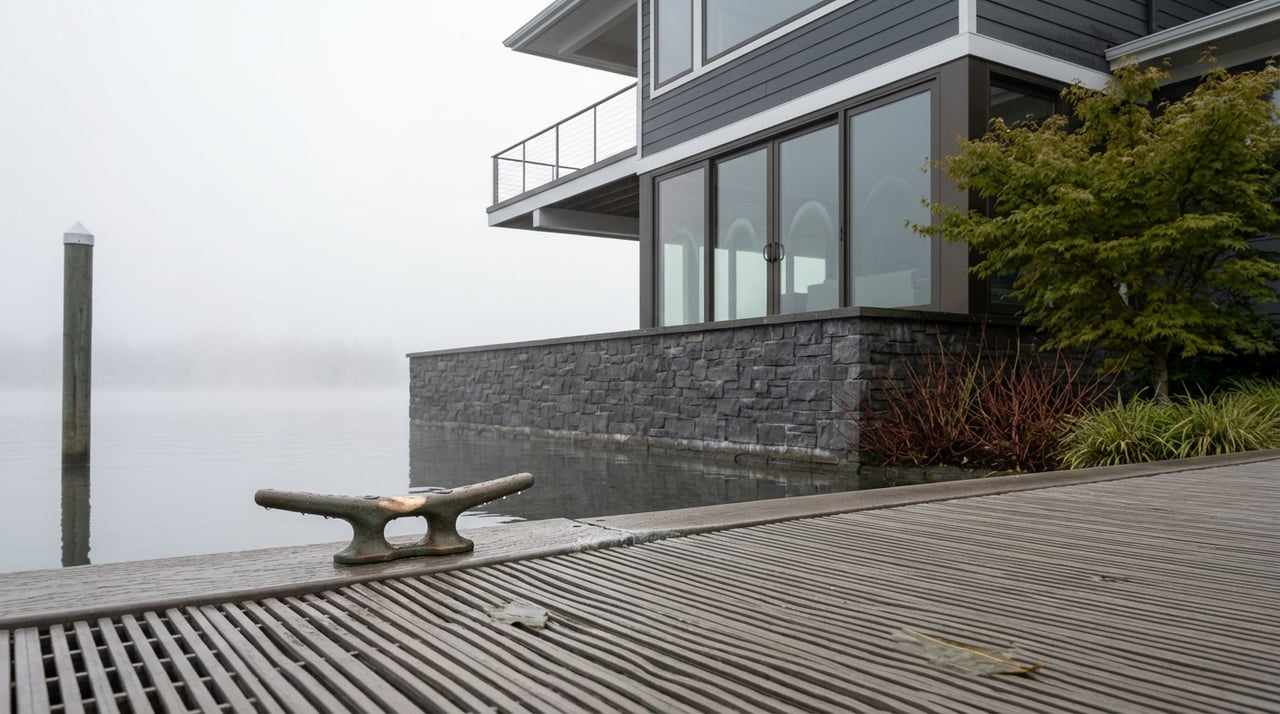
If your priority is privacy, separation from neighbors, and direct access to the lake environment, waterfront living offers something downtown cannot easily replicate. A Bellevue waterfront home is often about more than the structure itself. You are also buying into shoreline scarcity, views, and the experience of living near the water.
This part of Bellevue tends to feel slower paced and more residential. The city describes these neighborhoods as places with shoreline recreation, wooded character, and access to parks and beaches. That can be especially appealing if you value outdoor time, visual calm, and more control over your property.
Public waterfront amenities also support the appeal. Meydenbauer Bay Park offers beach access, a pier, a boat launch, and moorage, while Enatai Beach Park includes a swimming area, dock, kayak access, and a non-motorized launch. Even if a home is not directly on the shoreline, proximity to these amenities can shape your day-to-day lifestyle.
Comparing Daily Life
Choosing between the two often comes down to what you want your routine to feel like. Downtown is built around convenience and proximity. Waterfront living is built around space and setting.
Downtown Means Convenience
A downtown condo can make daily errands, dining plans, and commuting easier. You may be able to walk to rail, offices, parks, and entertainment without needing to plan much around traffic or parking. For buyers who want a lock-and-leave lifestyle, this can be a major benefit.
You also gain access to a concentrated amenity base in one district. Bellevue’s downtown planning materials highlight retail, dining, entertainment, and civic destinations, all within a compact urban core. That kind of access is hard to match in a shoreline neighborhood.
Waterfront Means Space and Setting
Waterfront living usually offers a stronger sense of retreat. Even within Bellevue, the experience can feel more removed from the pace of the downtown core. If your ideal home life includes lake views, shoreline access, and more physical distance from neighbors, the waterfront may better support that goal.
That said, some west-side locations still offer solid regional access. Bellevue’s West Bellevue neighborhood profile notes that the area is served by South Bellevue light rail station and South Bellevue Park & Ride, providing access to Seattle and downtown Bellevue. So while waterfront homes are not as transit-oriented as downtown condos, they are not automatically disconnected either.
Ownership Responsibilities Differ
One of the biggest differences is how much responsibility you want to carry personally.
Condo Ownership and HOA Review
A downtown condo often involves less direct exterior maintenance, but it also requires careful review of the homeowners association. Washington law requires a resale certificate to disclose important details such as current or delinquent assessments, special assessments already levied, anticipated expenditures over five percent of the annual budget, whether the association has a reserve study, and whether there are unsatisfied judgments or pending legal actions.
That matters because monthly dues are only part of the picture. Building health, reserve strength, insurance, litigation, and the condition of shared systems can all affect your costs and risk. A well-run building can be highly attractive, but buyers should still look closely at the association’s long-term maintenance planning.
Waterfront Ownership and Shoreline Rules
A waterfront home usually gives you more control over the property, but that control comes with more responsibility. In Bellevue, shoreline-area work can involve more regulation than a standard home improvement project. The city states that development in a shoreline area, or within 200 feet, that exceeds exempted thresholds requires shoreline permit review.
That means future changes involving docks, shoreline features, or related exterior improvements may require additional planning and code review. If you are buying for long-term enjoyment and potential future upgrades, understanding those limits up front is essential.
Resale Potential Depends on Different Drivers
Both property types can hold long-term appeal, but for different reasons.
Downtown condo value is closely tied to building quality and urban convenience. Continued public investment in transit and pedestrian connections supports that story. Bellevue is also working to physically connect the waterfront and downtown through the Grand Connection corridor, which runs more than 1.5 miles from Meydenbauer Bay through Old Bellevue and Downtown Park.
Waterfront value is shaped more by land scarcity, view quality, and usability. Because Bellevue shoreline is limited and public access is relatively constrained, waterfront properties often benefit from a level of rarity that downtown condos do not share in the same way. The city’s investment in Meydenbauer Bay also reinforces the long-term significance of the waterfront as a Bellevue asset.
Questions to Ask Before You Choose
If you are deciding between the two, start with your actual routine rather than an idealized image.
Ask yourself:
- Do you want to walk to transit, work, dining, and daily errands?
- Do you prefer shared amenities and lower exterior maintenance?
- Would you use lake access, beach parks, or boating-related amenities regularly?
- How comfortable are you with HOA governance, dues, and possible special assessments?
- How comfortable are you with property upkeep and shoreline-related permitting?
- Is your long-term goal lifestyle-driven, investment-driven, or both?
Your answer may not be about which option is better in general. It may be about which one fits how you actually want to live in Bellevue over the next five to ten years.
Which Option Fits You Best?
A downtown Bellevue condo may be the better choice if you want walkability, easier transit access, and a more hands-off ownership model. It often suits buyers who value convenience, a polished urban routine, and close access to employment and amenities.
A Bellevue waterfront home may be the better fit if you want privacy, space, lake proximity, and the kind of scarcity that comes with limited shoreline inventory. It often suits buyers who are comfortable with more property oversight in exchange for a more distinct setting and lifestyle.
The right decision usually comes from balancing lifestyle, ownership complexity, and long-term goals instead of focusing on just one feature. If you want help evaluating Bellevue options with a local, consultative lens, connect with Sound Real Estate Services for guidance tailored to your priorities.
FAQs
What is the main difference between Bellevue waterfront homes and downtown condos?
- Bellevue waterfront homes generally offer more privacy, space, and lake access, while downtown condos usually offer better walkability, easier transit access, and a lower-maintenance ownership model.
Are downtown Bellevue condos better for commuting to Seattle?
- Downtown Bellevue condos typically have the edge for commuting because the East Link Extension serves downtown directly, with Bellevue Downtown Station on the line and frequent peak-hour service.
Do Bellevue waterfront homes have more maintenance responsibility?
- Yes. Waterfront homes usually place more upkeep responsibility on you as the owner, and some exterior or shoreline-related work may require additional city permit review.
What should you review before buying a Bellevue condo?
- You should closely review the HOA’s finances, reserve study status, assessments, anticipated major expenses, and any legal or insurance issues disclosed in the resale certificate.
Why do Bellevue waterfront properties tend to stay in demand?
- Demand is supported by limited shoreline supply, lake access, view potential, and the long-term appeal of scarce waterfront property in Bellevue.