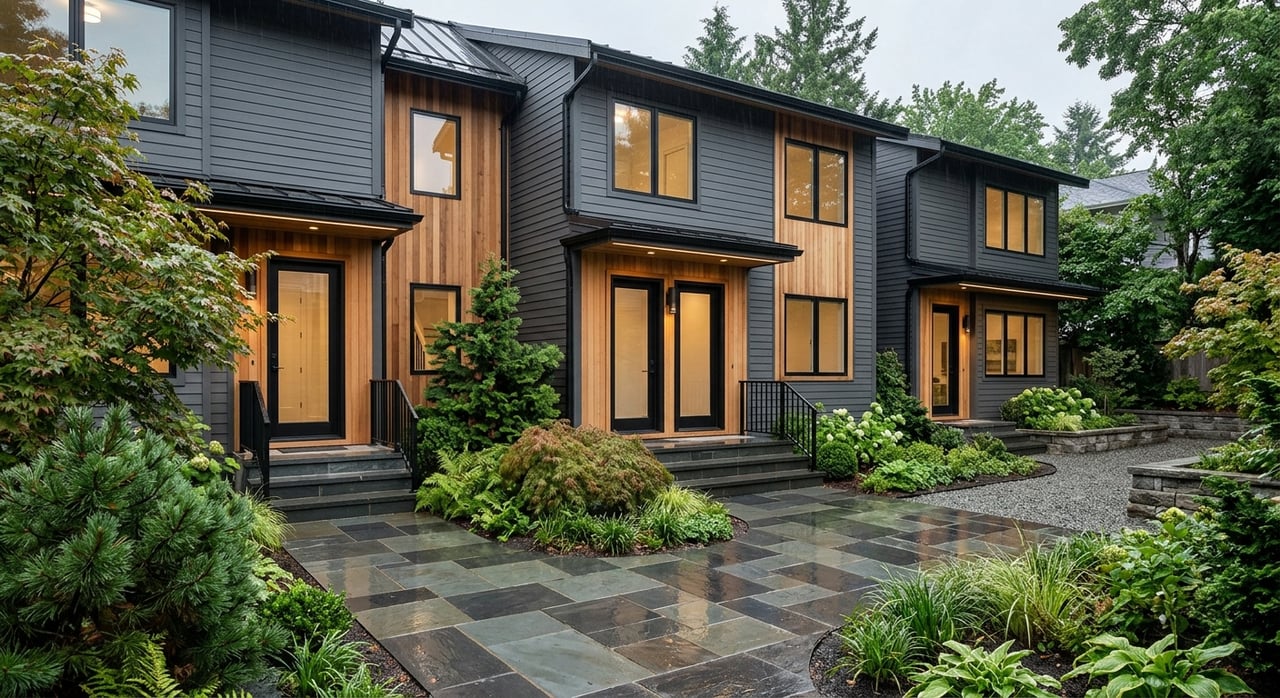
Curious what daily life really feels like in a Seattle townhome community? For many buyers, townhomes offer a middle ground between a detached house and an apartment, but the details matter. If you are weighing space, privacy, parking, and neighborhood access, this guide will help you picture how Seattle townhome living works day to day. Let’s dive in.
Seattle Townhomes Fit City Living
Seattle has long included attached housing in its Neighborhood Residential areas, and the city notes that much of Seattle is zoned this way. In 2025, Seattle updated zoning to align with state middle-housing laws, which helps explain why townhomes show up in many neighborhoods across the city rather than only in a few areas.
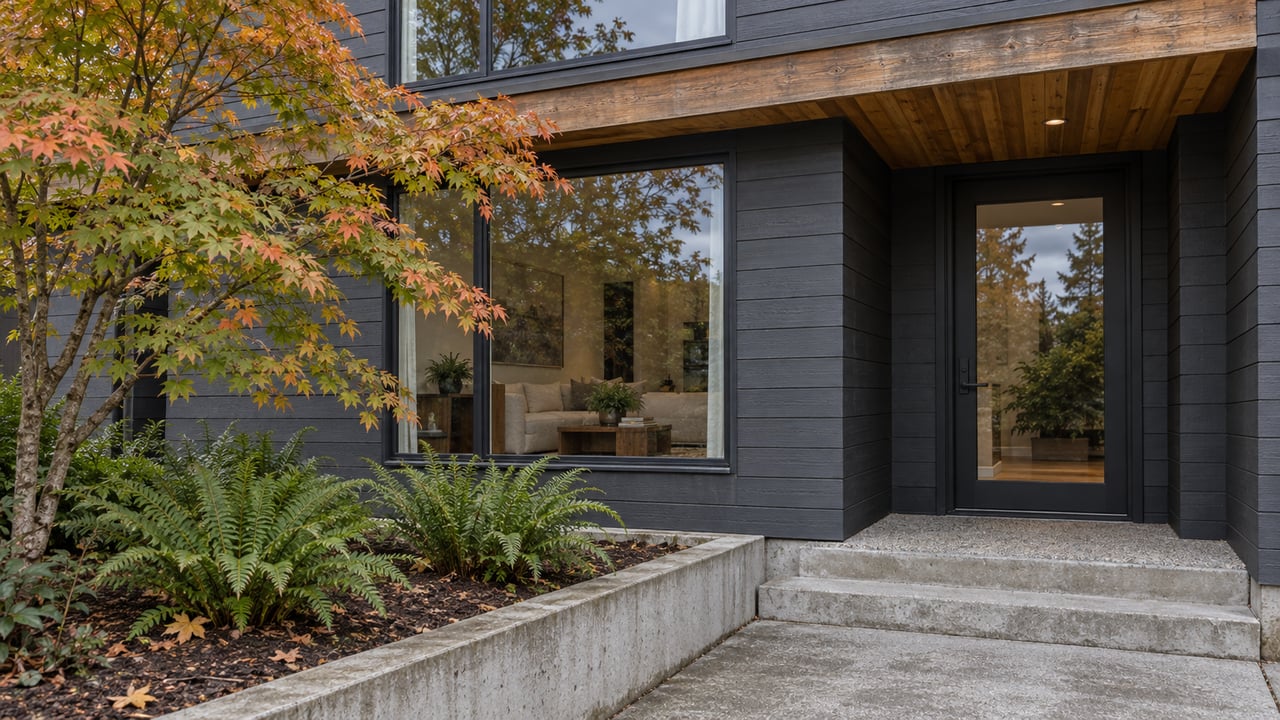
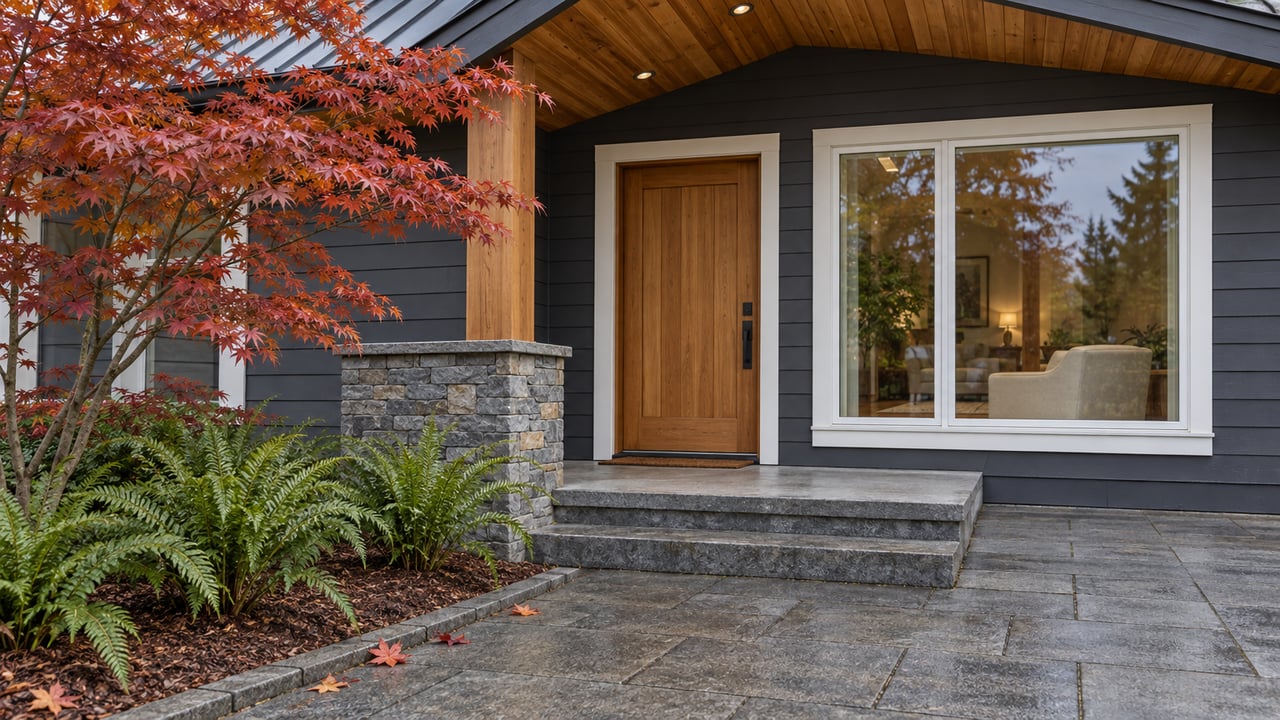
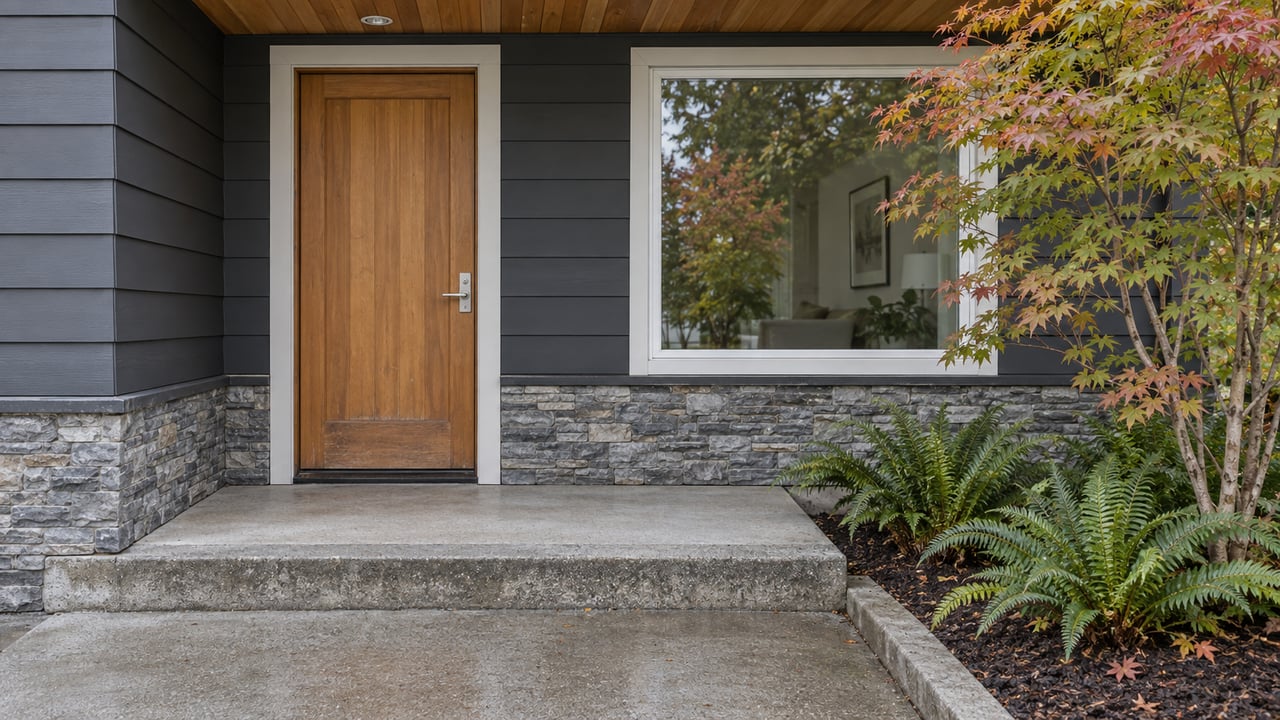
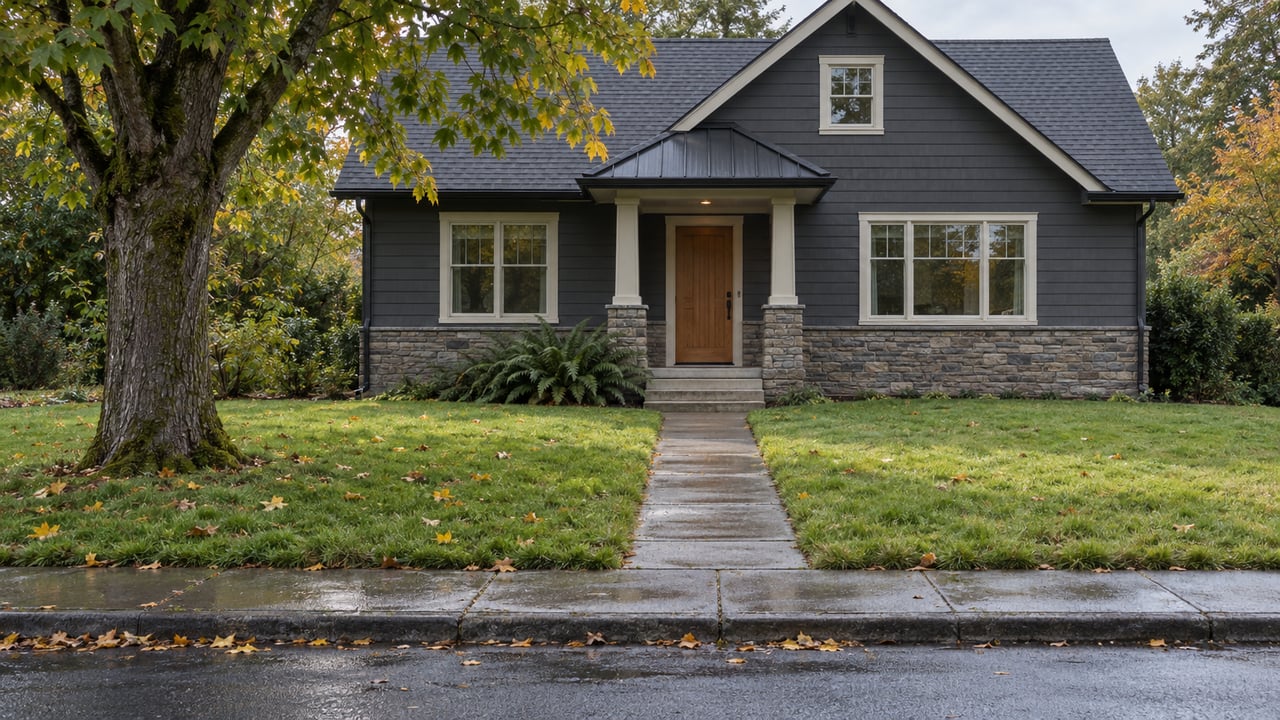
Seattle also defines townhouses in its residential code as attached homes with separate entrances and no more than three stories. That matters because it shapes the feel of everyday living. In many cases, you get a more house-like setup than an apartment, while still living close to neighbors and near daily amenities.
The Layout Is Often Vertical
One of the biggest lifestyle differences in a townhome is how you use space. Because Seattle townhouses are capped at three stories, daily routines often unfold floor by floor. You may enter on the ground level, gather on a main living floor, and keep bedrooms or work space upstairs.
That vertical setup can feel efficient and private. It also means you will likely spend more time moving between levels than you would in a one-story home or condo. For many buyers, that tradeoff is worth it because it allows a compact home to live larger.
Separate Entrances Feel More Private
Seattle townhomes typically have separate entrances, which helps daily life feel more independent. You are not sharing a lobby or interior hallway the way you might in a larger condo or apartment building.
That can make simple routines feel easier, from bringing in groceries to greeting guests. It also adds to the sense that you are living in a standalone home, even though the home is attached to neighboring units.
Outdoor Space Works Differently
If you are used to thinking about a big yard, Seattle townhome living may ask you to reset your expectations. City guidance and project materials commonly highlight balconies, porches, entry steps, and rooftop decks as important parts of townhouse design.
In practical terms, outdoor living often looks like a small patio, a main-floor deck, or a roof deck instead of a large lawn. For many owners, that is enough for container plants, outdoor dining, or a quiet place to unwind without the upkeep of a larger yard.
Roof Decks and Patios Add Flexibility
Seattle specifically regulates roof decks, and many townhome projects use them to create usable private outdoor space. That design choice is a strong fit for urban neighborhoods where lot sizes are tighter.
If outdoor space matters to you, look closely at how it is arranged. A rooftop deck, porch, or patio can shape how often you entertain, garden, or simply step outside during the day.
Design Often Feels Neighborhood-Scaled
Seattle’s design review process looks at how new buildings fit their street and surrounding area. The city reviews things like street frontage, neighboring sites, slopes or views, access, exterior materials, open space, and landscaping.
For buyers, this helps explain why many Seattle townhome projects feel tied to the block instead of feeling like oversized apartment buildings. The goal is often a more neighborhood-scaled presence, with details that connect the homes to the street and the existing character of the area.
Parking Can Shape Daily Convenience
Parking is one of the most practical parts of townhome living in Seattle. The city is clear that street parking can be limited, and an RPZ permit does not guarantee a space. In some denser areas, there are more resident permits than available street spaces.
Seattle also recommends off-street parking such as a garage, driveway, or parking lot when reliable parking is important. That makes the parking setup of a townhome a real lifestyle factor, not just a small detail on a listing sheet.
Ask the Right Parking Questions
Before you buy, it helps to ask a few specific questions:
- Does the townhome include a garage, carport, or driveway?
- Is access from an alley or from the main street?
- Will you likely rely on curb parking for one or more vehicles?
- Is the surrounding area already under parking pressure?
Seattle also enforces a 72-hour street parking rule, which means a vehicle cannot stay parked on the same block for more than 72 consecutive hours. For some buyers, that may not matter much. For others, especially if you travel often or have more than one vehicle, it can affect your routine.
Transit and Walkability Matter
A Seattle townhome lifestyle is often shaped as much by the neighborhood as by the home itself. The city highlights buses, light rail, boats, and streetcar as part of Seattle’s transit network, giving many residents more than one way to get around.
That can be especially valuable if your townhome is in a neighborhood where daily errands, dining, or commuting options are close by. In the right location, you may use your car less often than you expect.
Some Neighborhoods Support Car-Light Living
Seattle describes Capitol Hill as a centrally located hub of urban living, with options to walk, bike, and take transit to work and basic needs. The neighborhood also has a Link light rail station and streetcar line.
That does not mean every townhome owner in Capitol Hill lives car-free. It does mean the surrounding infrastructure can make daily life feel more flexible, especially if you value being able to step out your front door and get where you need to go without driving everywhere.
Neighborhood Examples Shape the Experience
Townhome living in Seattle is rarely one-size-fits-all. The same home style can feel very different depending on the neighborhood pattern around it. That is why it helps to think beyond square footage and finishes.
Queen Anne Offers Active Street Life
In Upper Queen Anne, the city describes a busy business district with access by walking, biking, or bus. The same city review notes that parking, loading, and curb use still require active management, which reflects the tradeoffs of a lively, in-demand area.
For a townhome owner, that can mean a daily rhythm built around neighborhood access. You may be able to walk out the front door for errands, coffee, or services, while also needing a clear plan for parking and guest arrivals.
Ballard Supports Errands and Social Plans
Ballard offers another version of the townhome lifestyle. City materials describe places to walk, shop, and connect to bus riders and transit stops, while the Ballard Avenue Landmark District includes boutiques, studios, galleries, and other local businesses.
That kind of setup can make a townhome feel connected to everyday activity. Running errands, meeting friends, or exploring nearby businesses may become part of your normal routine rather than a planned drive across town.
West Seattle Mixes Neighborhood Feel and Growth
West Seattle is another useful example, especially around the Junction area. The city is planning West Seattle Junction as a transit-oriented neighborhood around future light rail, with an emphasis on walkability, connected streets, mixed uses, lively public spaces, and a variety of housing types.
Seattle Parks also notes that Hiawatha Playfield is within easy walking distance of many Admiral District businesses. For buyers considering West Seattle townhomes, that points to a lifestyle that balances neighborhood convenience with future transit growth.
What to Think About Before You Buy
The best Seattle townhome for you is the one that fits your actual routine. A sleek newer unit may look perfect online, but the daily experience depends on how the home handles movement, storage, outdoor space, and transportation.
As you compare options, focus on these practical questions:
- How many levels will you use every day?
- Does the outdoor space match how you like to relax or entertain?
- Is parking straightforward, or will it take planning?
- Can you walk, bike, or take transit to the places you use most?
- Does the neighborhood feel active, quiet, or somewhere in between during the times you will actually be home?
Those details often matter just as much as finishes and price point. In Seattle, townhome living is often about compact design, private outdoor space, and strong neighborhood access all working together.
If you are exploring Seattle townhomes and want practical guidance on which neighborhoods and properties best match your lifestyle or long-term plans, Sound Real Estate Services can help you evaluate the details that matter.
FAQs
What is everyday life like in a Seattle townhome community?
- Everyday life in a Seattle townhome community often feels more house-like than apartment living because townhomes typically have separate entrances, compact multi-level layouts, and private outdoor areas such as patios, decks, or rooftop spaces.
How is a Seattle townhome different from a condo or apartment?
- A Seattle townhome usually has an individual entrance and a more vertical floor plan, while condo and apartment living more often includes shared building access and common interior hallways.
What should you know about parking at a Seattle townhome?
- Seattle street parking can be limited, RPZ permits do not guarantee a space, and the city enforces a 72-hour on-street parking rule, so it is important to confirm whether a townhome includes off-street parking such as a garage, driveway, or carport.
Do Seattle townhomes usually have yards?
- Many Seattle townhomes offer smaller outdoor spaces such as porches, balconies, patios, or rooftop decks rather than large private yards.
Which Seattle neighborhoods fit townhome living well?
- Neighborhood examples in city materials include Capitol Hill for transit access, Upper Queen Anne for walkable daily activity, Ballard for nearby shops and local businesses, and West Seattle for neighborhood convenience tied to future transit growth.