In Bellevue luxury real estate, your list price is your most powerful marketing tool. If you own a high-end home, you know no two properties are alike, and the wrong number can stall momentum fast. This guide shows you how to set a smart pricing band using micro-comparative analysis, buyer-pool depth, and a presentation plan that protects your leverage. Let’s dive in.
Why Bellevue luxury pricing is different
Bellevue’s luxury market is closely tied to the Eastside’s technology economy and the wealth it creates. Many high-end homes are clustered in neighborhoods such as Medina, Yarrow Point, Clyde Hill, Bridle Trails, West Bellevue including Enatai, and Somerset. Waterfront and direct-view properties trade with their own premiums, so they need separate comparison sets.
Luxury is a local definition, often the top 5 to 10 percent of sales by price in the metro. From 2021 through 2023, the region saw strong appreciation followed by cooling as mortgage rates rose. In 2023 and 2024, activity has been uneven, with exceptional estates holding value better and marginal luxury listings seeing longer timelines.
Use micro-comparative analysis
Micro-comps give you a disciplined way to set your price band. You start by defining a tight universe of truly comparable homes and then adjust for the factors buyers value most.
Define your comp universe
- Focus on closed sales in the same neighborhood or the closest comparable areas within roughly 0.5 to 1 mile.
- Use a 6 to 12 month window in high-velocity areas; expand to 12 to 24 months for unique or low-turnover estates.
- Include active and pending listings for context, and review expired or withdrawn listings to learn from overpricing.
Waterfront and direct-view homes require their own comp sets. Do not mix inland sales with shoreline or unobstructed view properties without clear adjustments.
Match key attributes
- Physical: gross living area, finished versus unfinished square footage, bed and bath count, lot size, usable outdoor spaces, and any ADU or guest house.
- View and water access: degree of water or skyline view, true waterfront, dock potential, and beach access.
- Condition and finishes: year built, scope of recent renovations, systems and roof updates, and luxury finishes or smart-home systems.
- Privacy and access: gated entry, driveway length, proximity to busy roads, and any easements.
- Zoning and land use: subdividable lots or development upside can add measurable value.
- Marketing-usable features: permits, certificates of occupancy, and any documented amenities that elevate perceived value.
Make sensible adjustments
Start with the three to five strongest closed comps and adjust for major differences using clear dollar or percentage estimates. Avoid over-adjusting small items. For rare features, such as a private dock or deeded beach, research recent premiums in the immediate area instead of applying generic figures.
Build a pricing band
- Document three core closed comps, including sale price, date, days on market, concessions, photos, and floor plans.
- Add two active or pending comps and two expired or withdrawn listings for balance.
- Write a short narrative for each comp explaining fit and required adjustments.
- Produce a floor, midpoint, and ceiling price and call out the factors that pull value toward either end.
Map your buyer pool
Pricing a luxury home is not only about comps. It is also about who your likely buyer is and how many of them are in the market at any moment.
Likely Bellevue luxury buyers
- Local Eastside tech executives and managers relocating within or into the region.
- Out-of-state buyers, often from West Coast tech and finance hubs.
- International or advisor-backed investors, less common at the very top end than in larger global markets.
- Empty nesters and downsizers looking for high-end single-floor living or luxury condos.
- Builders and developers pursuing tear-down sites in high lot-value areas.
Financing and timing
Luxury buyers show a higher share of cash purchases than the general market, yet many still use jumbo loans. Jumbo underwriting can be stricter on down payment, reserves, and documentation, which can lengthen timelines. Most well-qualified offers for a correctly priced luxury listing tend to arrive in the first two to four weeks of MLS exposure. Beyond that, you often need a price or marketing pivot.
What buyer depth means for price
Thin buyer pools magnify the risk of overpricing. A high list price can extend time on market and reduce leverage. Pricing slightly below perceived market value can create competition, but it works best when inventory is clearly tight. For highly unique estates, expanding outreach through luxury networks can deepen the pool but takes time and budget.
Choose a pricing band that fits your goals
Your list price should reflect your priorities and the realities of buyer depth. Here are common strategies and when they make sense.
Market-priced listing
You list at a number supported by micro-comps and current actives. The goal is qualified traffic quickly with the leverage to negotiate. For most sellers seeking an efficient sale and predictable net proceeds, this is the default strategy.
Slightly discounted launch
You list a bit below intrinsic value to encourage immediate engagement and possible multiple offers. This can work in low-inventory pockets with proven buyer demand. If the buyer pool is thin, you may still receive conservative offers, so set clear decision points.
Aspirational pricing
You list above comp-supported value to test the market or leave room to negotiate. This can be reasonable for exceptional estates when timing is flexible. The tradeoff is more days on market, potential reductions, and buyer skepticism about value.
Off-market preview
You quietly preview to top brokers and qualified buyers before public launch. This supports privacy and can help test the price narrative. The tradeoff is narrower initial exposure, which can slow momentum if you do not transition to a broader campaign.
Protect your negotiating power
Early strategy and structure help you keep leverage when offers arrive.
- Complete a pre-listing inspection and gather disclosures to reduce surprise-based renegotiation.
- Set a price band plan with checkpoints, for example at day 14 and day 30, with predefined adjustments.
- Use structured showing periods or offer deadlines that comply with MLS rules to build urgency without signaling distress.
- Establish your minimum acceptable net, limits on concessions, and preferred timelines before launch.
Track these metrics closely during the campaign:
- Showing traffic and qualitative broker feedback
- Days on market and cumulative DOM
- Price reductions and their magnitude
- List-to-sale price ratio
- Number of inquiries, offers, and key terms such as cash or financing and contingencies
Presentation that supports the price
Price is a story you must prove in photos, floor plans, and documentation. Strong presentation widens your pool and stretches the top of your band.
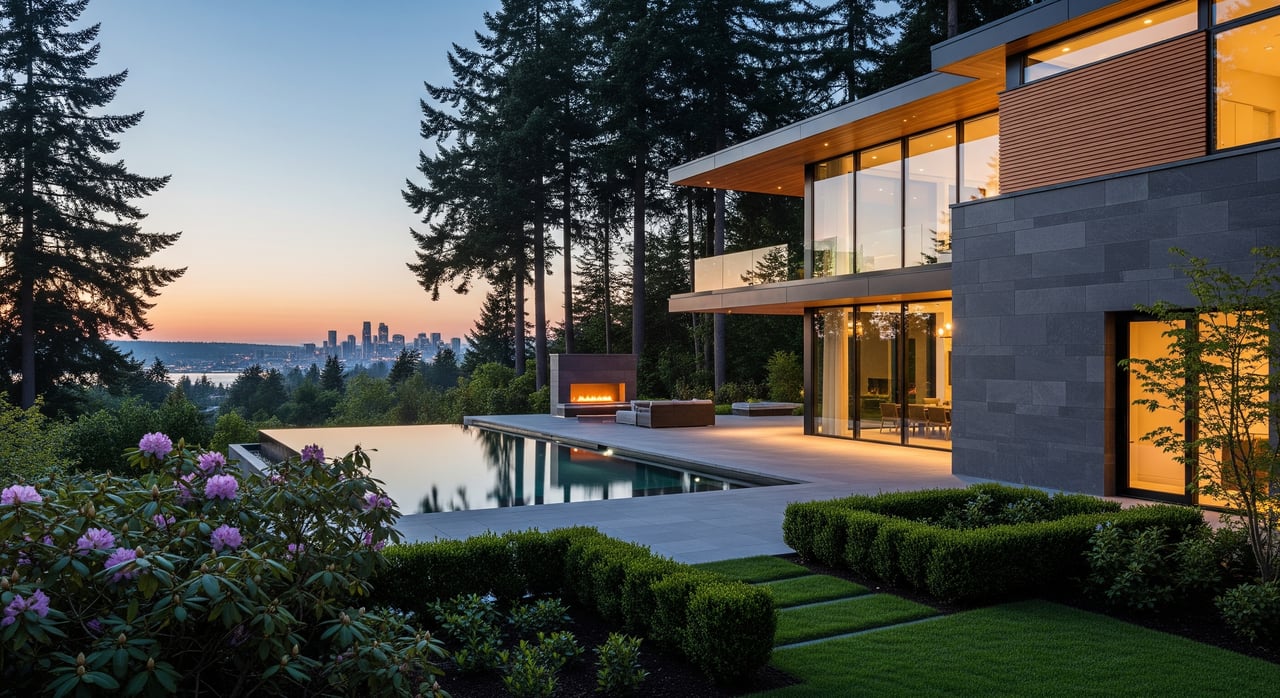
- Professional photography, including twilight shots, is essential for waterfront and view homes.
- Drone imagery and aerial maps show lot orientation, proximity to water, and privacy.
- Floor plans with room dimensions help remote buyers understand flow and scale.
- 3D tours and polished video walkthroughs reach out-of-area and international buyers.
- High-end staging, whether partial or full, increases perceived value and helps buyers see how spaces live.
- Pre-list repairs or targeted updates, with invoices and warranties, support premium pricing and smoother negotiations.
On the marketing side, combine local MLS exposure with targeted broker outreach, paid digital campaigns aimed at qualified demographics, private previews as appropriate, and placement within luxury networks. In all materials, present a clear rationale for your list price tied to comps, recent improvements, unique features, and view or waterfront premiums, along with transparent documentation of permits or constraints.
Step-by-step workflow
- Gather three to five best closed comps and four to six secondary comps, including active, pending, expired, or withdrawn listings.
- Segment the home’s value drivers into quantifiable premiums such as view, lot size, high-end remodel, or ADU.
- Calculate a floor, midpoint, and ceiling price and note the factors that would push value toward each end.
- Choose a pricing strategy aligned with your priorities around speed, price, and privacy, and set 14 and 30 day checkpoints.
- Build a presentation and marketing plan that matches the strategy, including photography, staging, and broker outreach.
- Prepare pre-listing disclosures, inspection reports, and a flexible showing schedule to enable fast, clean offers.
- Monitor campaign metrics, and execute pre-set adjustments at your checkpoints.
Bellevue micro-neighborhoods and comp sets
When you pull comps, stay hyper-local. Bellevue’s luxury stock clusters in Medina, Yarrow Point, Clyde Hill, Bridle Trails, West Bellevue including Enatai and Old Bellevue, Somerset, and parts of East Bellevue. Within those pockets, separate waterfront from non-waterfront, and deep views from partial views. Small differences in view corridor, privacy, or lot utility can lead to meaningful adjustments.
When to pivot your strategy
The first two to four weeks are your peak visibility window. If you see strong traffic but weak offers, the market may be signaling a narrow gap between list and perceived value. If traffic is light and feedback cites price, it is time to revisit your band and consider a price or presentation shift at your predetermined checkpoint.
If you listed aspirationally and momentum has faded, consider a step-down to your midpoint with a refreshed marketing push. If you launched slightly discounted and demand underwhelmed, evaluate whether buyer depth exists for your segment and whether presentation gaps are limiting reach.
What we do for Bellevue sellers
You deserve a pricing and marketing plan that fits your property and your goals. Our boutique team pairs local Bellevue and Eastside expertise with premium digital marketing, disciplined micro-comps, and a clear pricing narrative. If selling is not the right move today, our integrated property-management services can help you lease and steward the asset while you wait for the right timing.
If you are weighing your options, we can provide a focused valuation and a pricing band with floor, midpoint, and ceiling, plus a proposed marketing plan and timeline. You will know exactly how we plan to reach qualified buyers and protect your negotiating power.
Ready to talk through your home and goals? Connect with the team at Sound Real Estate Services to schedule a consultation.
FAQs
How is “luxury” defined for Bellevue pricing?
- Luxury is typically defined locally as the top 5 to 10 percent of sales by price in the metro, so the dollar threshold changes over time and should be based on current MLS percentiles.
How long do Bellevue luxury homes usually take to sell?
- Luxury sales cycles are generally longer than entry-level homes, and the strongest offers for well-priced listings often arrive in the first two to four weeks of exposure.
Should I price below market to create a bidding war in Bellevue?
- Pricing slightly below intrinsic value can attract competition when inventory is tight, but if the buyer pool is thin, it may yield conservative offers, so pair the strategy with clear checkpoints.
How do jumbo loans affect my pricing strategy for a Bellevue luxury home?
- Many luxury buyers still use jumbo loans, and stricter underwriting on down payment and reserves can lengthen timelines, so build realistic timing and appraisal considerations into your plan.
What if my Bellevue property is unique with few direct comps?
- Expand your comp window to 12 to 24 months, prioritize micro-neighborhood matches, research premiums for rare features, and consider broader luxury networks to deepen the buyer pool.
When does an off-market preview make sense for a Bellevue luxury listing?
- Off-market or broker-only previews can be useful for privacy or to test your price narrative, but they trade broad exposure for discretion and may slow early momentum.