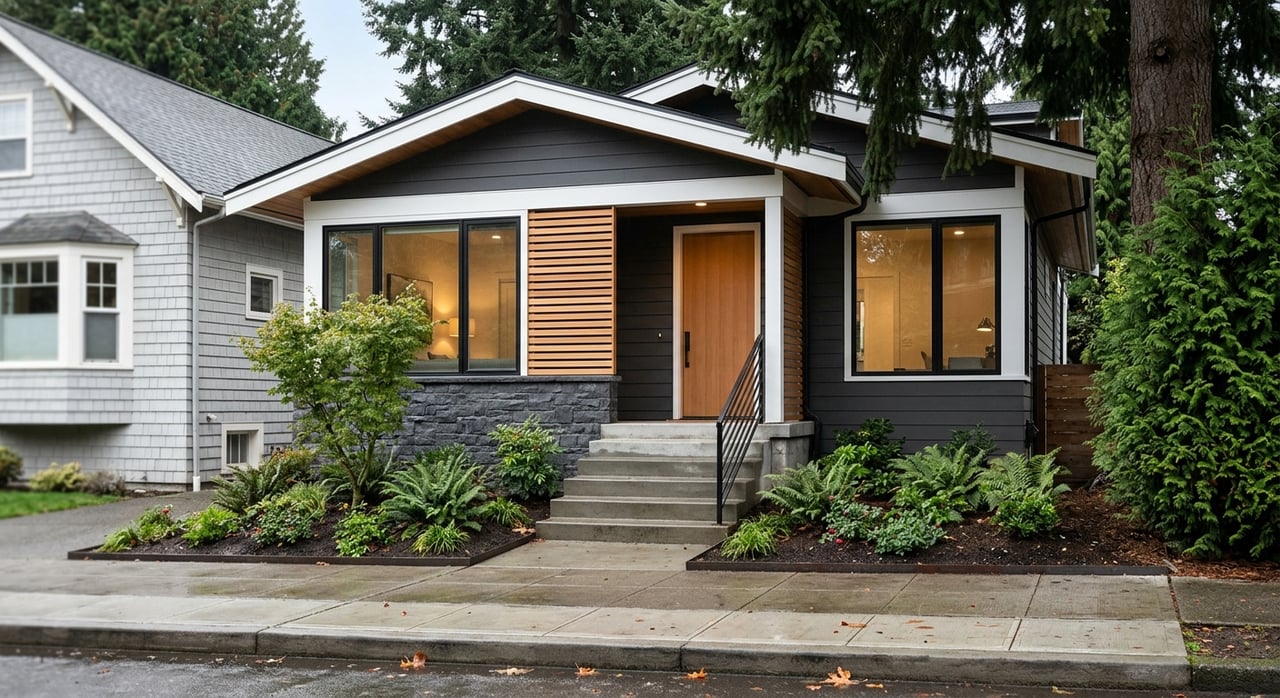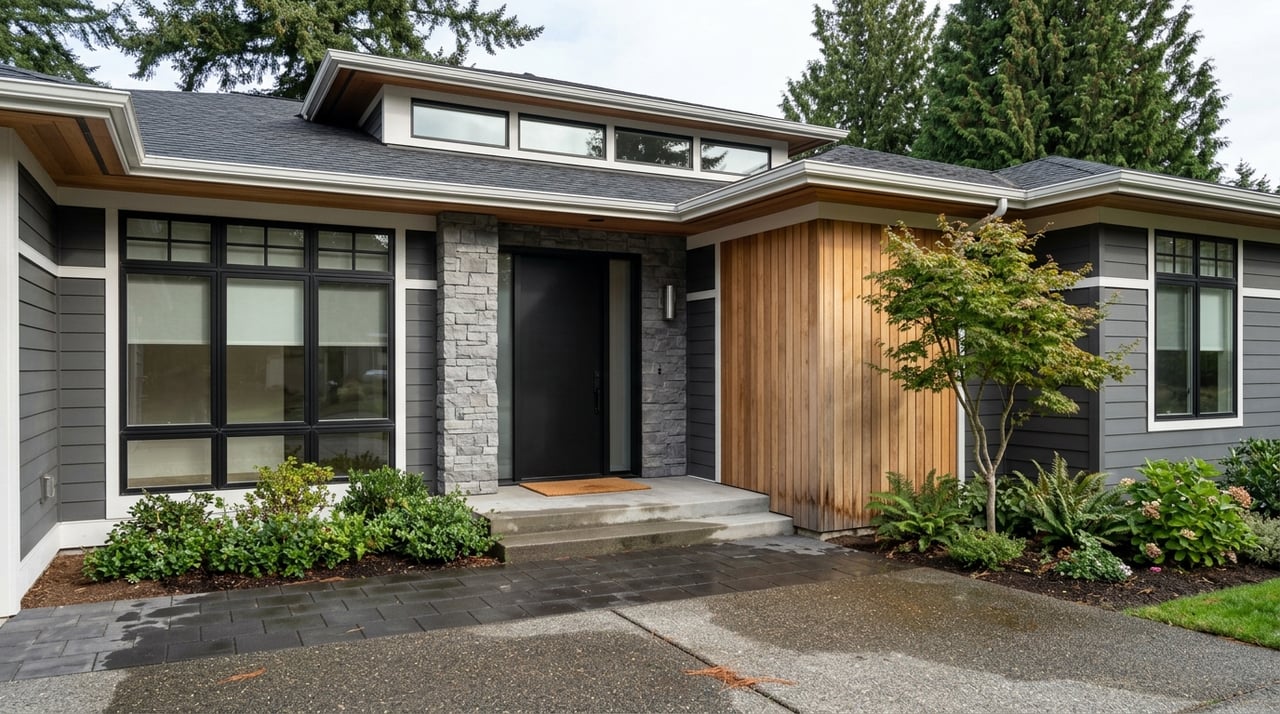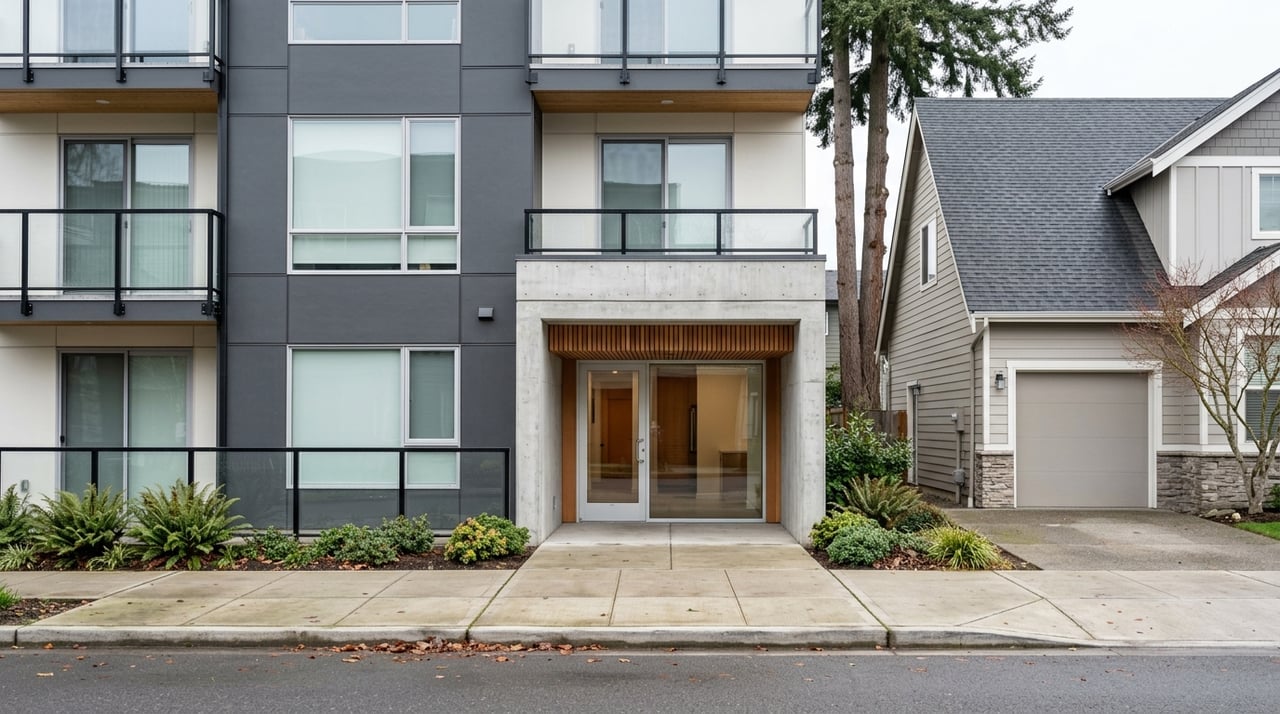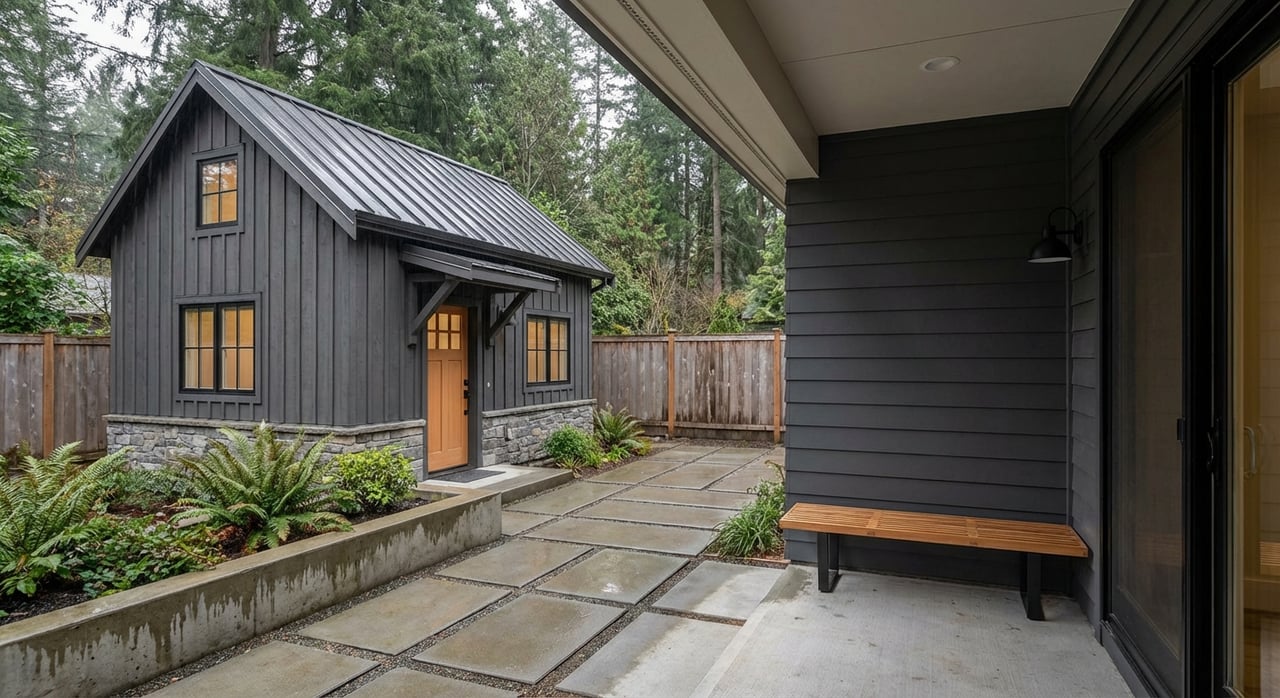
Thinking about a backyard cottage, garage apartment, or basement suite to boost flexibility and income? In Greater Seattle, recent code changes opened more doors for homeowners to add accessory dwelling units, often with simpler rules and faster timelines. You might be looking to support multigenerational living, create a long-term rental, or increase resale appeal. In this guide, you’ll learn what an ADU is, how the rules differ by area, typical costs and timelines, financing updates, and a practical roadmap to move from idea to key-in-hand. Let’s dive in.
What counts as an ADU
An accessory dwelling unit is a smaller, independent home on the same lot as your primary residence. It has its own sleeping, cooking, and bathroom facilities. Common types include:
- Interior conversions, such as a finished basement or a portion of the main house.
- Attached ADUs, like an addition or an apartment over the garage.
- Detached ADUs (DADUs), often called backyard cottages.
Seattle and many nearby jurisdictions allow ADUs in most neighborhoods, with permits and inspections required. Start with Seattle’s ADU overview to see how local rules are organized and what to expect during permitting.
Why ADUs are surging in Greater Seattle
Local and state policy has pushed to add gentle housing options without large-scale development. Many cities now allow up to two ADUs per lot in urban areas, relax parking near transit, and reduce or remove owner-occupancy rules. These changes make it easier to create space for long-term renters, caregivers, or extended family. To confirm current details for your address, use your city’s permit center or code pages before you design.
Key rules by area
Seattle
Seattle treats ADUs and DADUs as permitted in Neighborhood Residential and some multifamily or commercial zones, with size limits commonly around 1,000 square feet and typical lot-size and setback rules depending on zone. The City consolidates standards under SMC 23.42.022 and offers clear guidance on types, eligibility, and permit steps in its ADU overview. Seattle also runs ADUniverse, a gallery of pre-approved DADU designs with an expedited path that can cut plan review time.
- Learn more about ADUs, types, and permits in Seattle’s ADU overview: Seattle SDCI ADU guidance
- Explore pre-approved backyard cottage plans: Seattle ADUniverse
Parking requirements in Seattle vary by zone, and exemptions often apply near frequent transit. The City reports ADU permits to the county for sewer capacity charges, so budget for potential utility fees.
Bellevue
Bellevue’s recent ADU reforms are homeowner friendly. The City removed owner-occupancy requirements, increased size limits in many cases up to 1,200 square feet or 40 percent of combined floor area, and aligned parking rules with transit access. Bellevue also prohibits using ADUs as short-term transient lodging and requires long-term rental durations of 30 days or more.
- See the reform summary: City of Bellevue ADU Reform
- Check parking thresholds and the short-term rental prohibition: Bellevue ADU zoning requirements
Unincorporated King County
If your property is outside city limits, King County’s development rules apply. Title 21A generally allows ADUs in urban areas, including the option for two ADUs on many lots and parking flexibilities tied to site conditions and transit. Confirm details and submittal steps with the Department of Local Services, Permitting Division.
- Review county code: King County Title 21A
Everett and Snohomish County
Cities in Snohomish County, including Everett, updated ADU rules to align with state law, allowing more configurations and reducing owner-occupancy constraints. Size, setback, parking, and utility connection rules still vary, so verify early. Everett provides a helpful ADU information hub and FAQs.
- Start here if you own in Everett: City of Everett ADU information
What to check first
Before you hire a designer, confirm the basics:
- Parcel jurisdiction and zoning. Verify whether attached, interior, or detached ADUs are allowed on your lot, and how many units you can build.
- Size, setback, height, and lot coverage. Most cities cap ADU size at about 1,000 to 1,200 square feet and apply standard residential setbacks.
- Parking. Many places waive new off-street parking near frequent transit and set thresholds by ADU size.
- Utilities. Sewer, water, and power are often the biggest wild cards. Sewer capacity charges, side sewer upgrades, or septic can add significant costs.
- Ownership and rental rules. Many cities removed owner-occupancy requirements and, in some cases, allow condominium sale of ADUs. Short-term rental rules vary by city. Bellevue prohibits short-term transient use of ADUs, while Seattle requires compliance with rental registration and licensing rules.
- Private covenants. HOAs or recorded CC&Rs can limit or ban ADUs even when the city allows them.
Costs, timelines, and permitting
ADU budgets depend on type and site complexity. In Seattle, conversions can land in the low $100,000s, while many detached backyard cottages finish in the mid $200,000s or higher, with size, finish level, and site work driving the spread. Use multiple local bids and add a 10 to 20 percent contingency to manage surprises.
Typical timeline
Pre-approved DADU plans: Seattle reports a 2 to 6 week path to permit issuance when you use a standard plan and your lot qualifies. See the City’s how-to for the standard plan route.
Custom or complex projects: Expect several months for design, permit review, and utility coordination, plus the construction window. A full journey from feasibility to occupancy can run 3 to 12 months or more depending on scope and backlog.
How to use a pre-approved plan: SDCI standard plan guide
Major cost drivers
- Type and scope. Interior conversions are usually the most cost-effective. Detached cottages are the most expensive.
- Site work. Foundations, grading, retaining walls, and tree protection can add up.
- Utilities. New meters, side sewer extensions, or septic upgrades can swing your budget by tens of thousands.
- Code upgrades. Energy, fire separation, or accessibility triggers add material and labor.
- Soft costs. Design, engineering, permits, impact or capacity fees, and financing carry meaningful line items.
Local reporting features case studies that show how costs and rents vary. Use them as context, not a template, and build your own conservative pro forma.
- For homeowner case examples: Seattle Times ADU coverage
Financing and taxes
Using ADU rental income
Financing rules improved for owners and buyers who plan to add or use an ADU. HUD updated FHA guidance in 2023 so lenders can count a portion of ADU rental income when qualifying borrowers. In many cases, lenders may use up to 75 percent of expected ADU rent for underwriting, subject to appraisal and documentation. Ask your lender how they apply the policy and what you need for approval.
- Read the FHA update: HUD press release on ADU income
Property taxes and valuation
When you build a permitted ADU, the county treats it as an improvement and reassesses your property. Your tax bill can increase after completion, though Washington’s system does not change in direct proportion to assessed value. For parcel-specific estimates, contact the assessor’s office. For background on how ADUs interact with assessment and valuation in Seattle, review the City’s environmental analysis.
- Background on taxes and valuation: Seattle ADU FEIS
Cash flow and value
ADU rents vary by neighborhood, size, and finish. In the Seattle–Bellevue–Everett area, rental demand is typically strong, but performance depends on your design choices and local comps. Some owners see ADU rent that covers a portion of construction financing, while others achieve stronger cash flow. Appraisers may consider income capitalization and comparable sales. Well-documented permits and rent history can help buyers, appraisers, and lenders understand value.
A measured, data-first approach is key. Pull one-bedroom rent comps near your address, model conservative vacancy and expense rates, and test different interest rate scenarios. This helps you choose the right footprint and finish level before you break ground.
Step-by-step homeowner roadmap
1. Immediate feasibility
- Confirm your parcel’s jurisdiction and zoning. Start with your city’s ADU page or permit counter to verify allowed ADU types and unit counts. Seattle’s overview is a good model for what to check.
- Map site constraints. Review lot size, setbacks, tree protections, easements, and any critical areas. If you are on septic or a private well, contact your health and utility providers early.
2. Early market and finance check
- Ask a local broker for rent comps and resale signals for ADUs near you. This informs size, layout, and finish choices.
- Talk to a lender about construction-to-permanent or renovation loans and whether ADU income can help you qualify under the updated FHA policy.
3. Build your team
- Designer or architect. Explore concepts, siting, and estimated costs, especially for detached cottages or additions.
- Contractor or builder. Get at least two to three bids from teams with ADU experience and strong permit coordination.
- Permit expediter or land-use consultant. Consider this for complex lots or unclear rules.
- Broker, again. Before final plans, get advice on finishes and layouts that lease well in your micro-market.
- Tax and insurance pros. Confirm tax reporting, depreciation, and landlord coverage.
4. Permitting and construction tips
- Consider a pre-approved DADU plan if your lot is eligible. Seattle’s ADUniverse can shorten review time.
- Keep a tidy paper trail. Save permits, inspections, and leases. Lenders and appraisers will want documentation.
- Coordinate early with utilities. Plan for capacity charges and side sewer or meter work if required.
5. After construction
- Long-term rentals. Follow local rental registration and inspection rules and keep good records for taxes.
- Short-term rentals. Verify city and HOA policies before listing. Bellevue prohibits ADUs as short-term transient lodging.
Risks and common pitfalls
- Budget strain. Costs can rise with site work, utility upgrades, or rate changes. Add a 10 to 20 percent contingency and get multiple bids.
- Utility surprises. Side sewer extensions, separate meters, or septic upgrades can be major line items. Engage utilities early.
- Private restrictions. HOAs and CC&Rs can override city permissions. Review title documents before you design.
- Regulatory drift. Rules changed across 2023 to 2025. Confirm the latest code at the permit counter when you apply.
Ready to explore your ADU potential?
If you want a data-driven view of rent potential, resale impacts, and the best path for your lot, our team can help you weigh the options and manage the details from leasing to long-term stewardship. Schedule a Consultation with Sound Real Estate Services to get a tailored plan for your property.
FAQs
How many ADUs can I build in Seattle?
- Many Seattle-area jurisdictions now allow up to two ADUs per lot in urban zones, but rules vary by address, zoning, and lot conditions. Confirm your parcel’s eligibility with Seattle’s ADU guidance.
Are parking spaces required for ADUs in Bellevue?
- Bellevue aligns parking with ADU size and proximity to frequent transit. Some locations near transit are exempt, while larger ADUs may require a space. Check the City’s ADU zoning requirements.
Can I short-term rent an ADU in Bellevue or Seattle?
- Bellevue prohibits ADUs as short-term transient lodging and requires stays of 30 days or more. Seattle allows short-term rentals subject to rental registration, licensing, and tax rules. Verify local policies before listing.
How long does a DADU permit take in Seattle?
- If you use a pre-approved standard DADU plan and your lot qualifies, Seattle reports a 2 to 6 week permit timeline. Custom designs typically take longer due to plan review and coordination.
Will an ADU raise my property taxes?
- A permitted ADU is treated as new construction and generally increases assessed value. Washington’s tax system is complex, so contact the assessor for parcel-specific estimates and review Seattle’s FEIS for background.